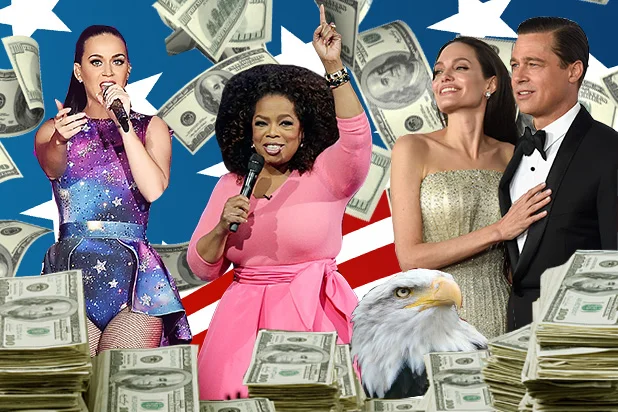
In the world of marketing, celebrity endorsements are often seen as a shortcut to instant visibility and credibility. Brands large and small invest significant sums to have well-known figures endorse their products, hoping to capture the attention and loyalty of the celebrity’s fanbase. But with high costs involved, one major question remains: Are celebrity endorsements truly worth the investment?
The Appeal of Celebrity Endorsements
The allure of celebrity endorsements lies in their ability to generate attention quickly. Celebrities have built-in audiences, and their endorsement of a product can spark immediate interest. For example, when a major celebrity like Kylie Jenner posts about a beauty product, her millions of followers take notice. This kind of exposure is often unmatched by traditional advertising methods, making celebrity endorsements a go-to strategy for brands looking to make a splash.
Moreover, celebrities can elevate a brand’s image, giving it an air of luxury, trendiness, or trustworthiness. When a well-known figure endorses a product, it often signals to consumers that the product is high-quality and desirable. This is particularly beneficial for brands trying to reposition themselves or launch in competitive markets.
The Costs of Celebrity Endorsements
While the benefits of celebrity endorsements are undeniable, they come at a steep price. The cost of securing a celebrity can run into millions of dollars, depending on their popularity and level of engagement. This is particularly true for A-list celebrities who command top-tier fees for endorsements.
For small or mid-sized businesses, the financial burden of a celebrity endorsement may outweigh the potential benefits. Even for larger brands, the return on investment (ROI) is not always guaranteed. If a campaign featuring a celebrity does not resonate with the target audience, or if the celebrity becomes involved in a scandal, the brand’s reputation could suffer, leading to significant losses.
Measuring ROI: Is It Worth It?
Determining the ROI of celebrity endorsements can be challenging. While high-profile campaigns often generate buzz, translating that attention into sales is not always straightforward. In some cases, the novelty of a celebrity endorsement wears off quickly, leaving brands to wonder whether the investment was truly worth it.
However, when done correctly, celebrity endorsements can lead to a strong ROI. Take Nike’s partnership with Michael Jordan, for instance. The Air Jordan brand became a cultural phenomenon, driving billions of dollars in sales over the years. But not every partnership achieves such success, and brands must weigh the potential risks carefully.
Alternatives to Traditional Celebrity Endorsements
With the rise of social media, brands have more options than ever before when it comes to endorsements. Many companies are now turning to influencers, who often offer a more cost-effective alternative to traditional celebrities. Micro-influencers, in particular, can deliver high engagement rates at a fraction of the cost, making them an attractive option for smaller brands.
These influencers typically have highly engaged audiences that trust their recommendations, which can lead to more meaningful connections between the brand and the consumer. Although their reach may be smaller than that of traditional celebrities, their ability to drive targeted conversions can often make them a better investment.
Conclusion: Are Celebrity Endorsements Worth It?
Ultimately, the answer to whether celebrity endorsements are worth the investment depends on the brand’s goals, budget, and target audience. For some brands, especially those with deep pockets and a desire for instant mass visibility, celebrity endorsements can be a valuable strategy. However, for smaller businesses or those seeking long-term, sustainable growth, alternative forms of endorsement, such as influencer marketing, may provide better value for money.
As with any marketing tactic, the key lies in aligning the strategy with the brand’s identity and ensuring that the endorsement feels authentic. In an era where consumers are more discerning than ever, authenticity and connection are just as important as the star power behind the campaign.